Turning customers' number one problem into a $500m revenue channel
Overview
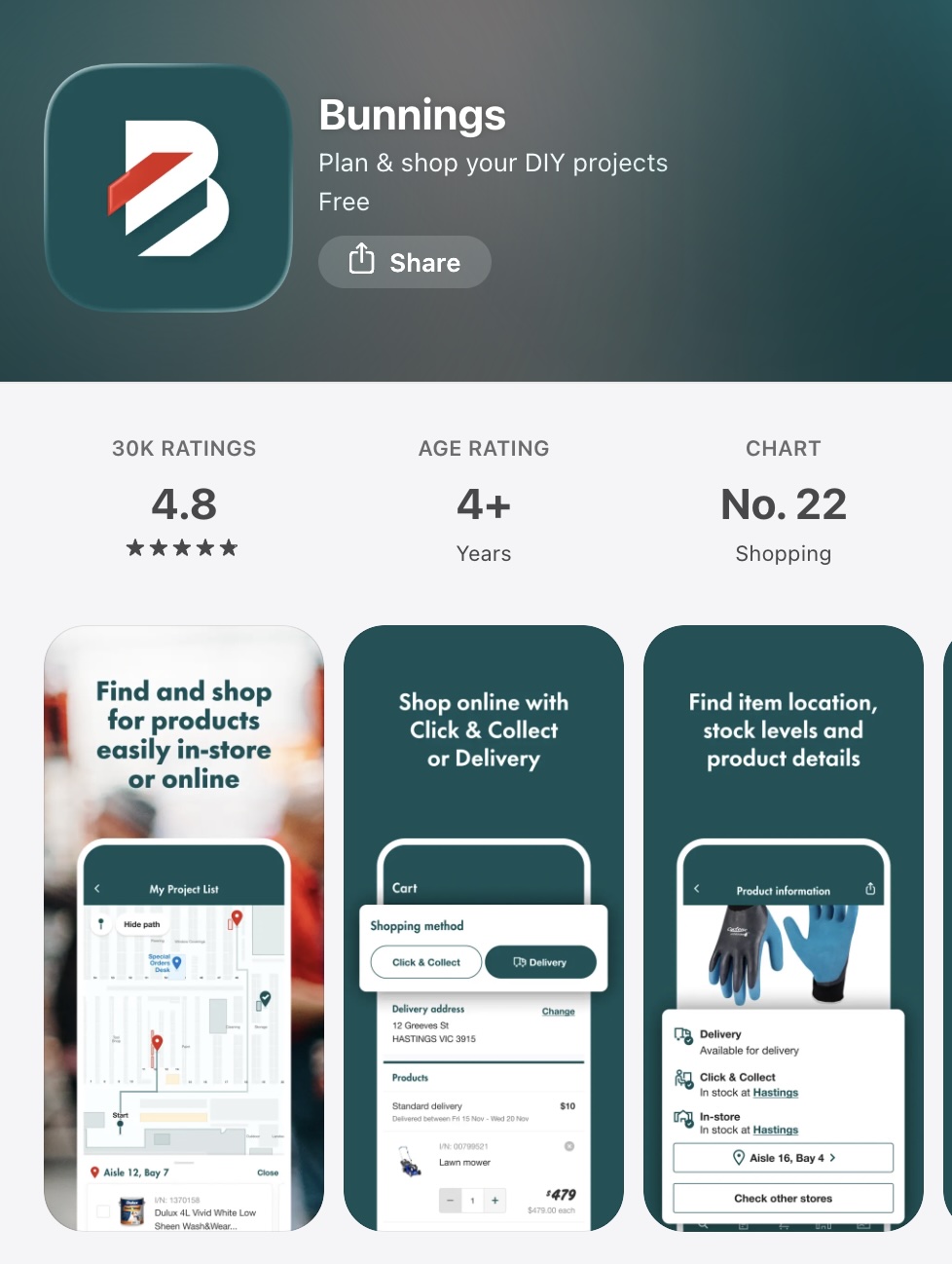
Bunnings customers couldn't find products in their massive stores. I led a small team to solve that problem, and what started as a wayfinding app became a business-critical service during COVID-19, a mobile ecommerce channel, and the foundation for a complete rebuild of Bunnings' professional tradespeople app.
2M+
Downloads
$500M+
Annual revenue
4.8/5
App Store rating
Problem
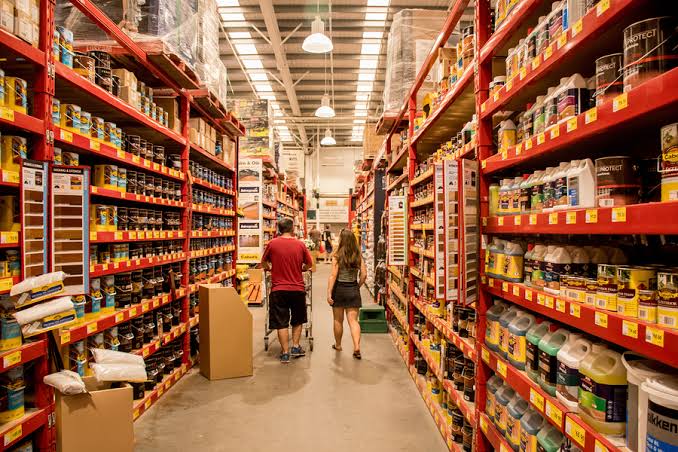
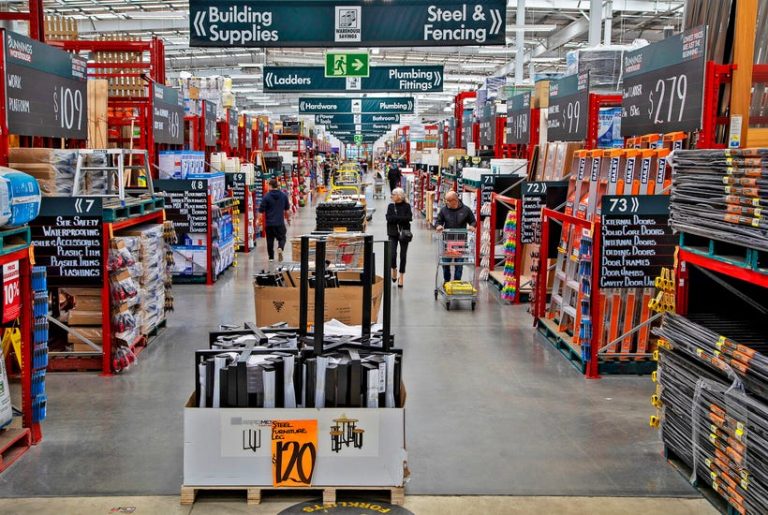
Bunnings runs massive warehouse-style stores. Customers love the range; they hate navigating it. Survey research and a Kano study across 403 customers both pointed to product finding as the number one pain point.
“You don't know if the goods you're after are in aisle 44 or aisle 2. That's a lot of ground to cover, even if Stuart the helper was able to guide you through this labyrinth of pain.”
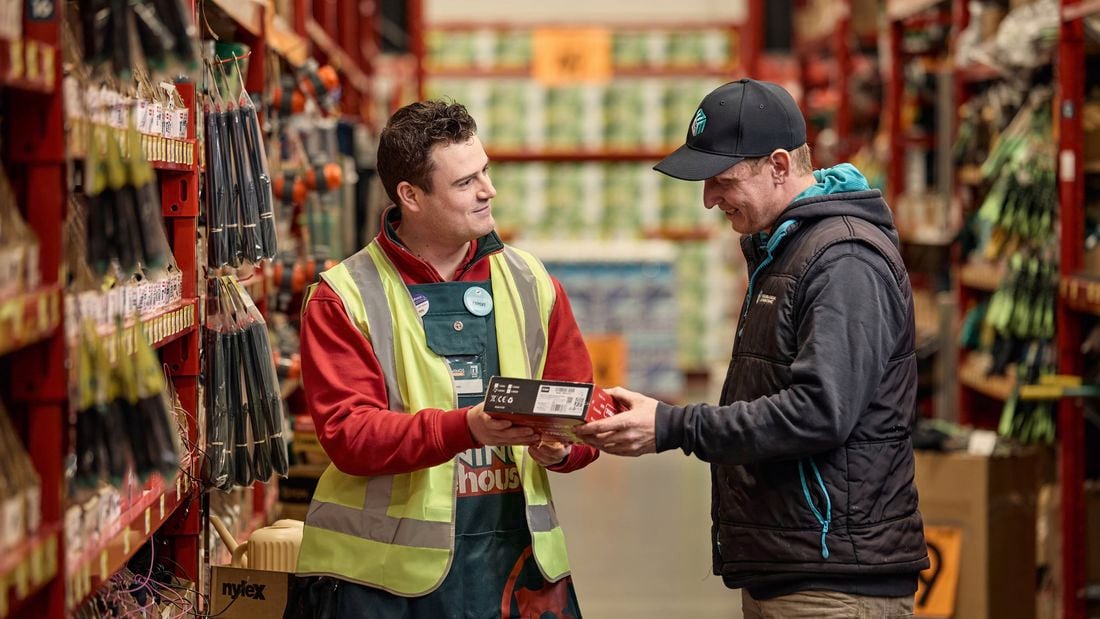
Bunnings staff were also spending around 75% of their time directing customers to product locations, holding them back from helping more customers with their deep product expertise.
Team members spent most of their time directing customers to products
Approach
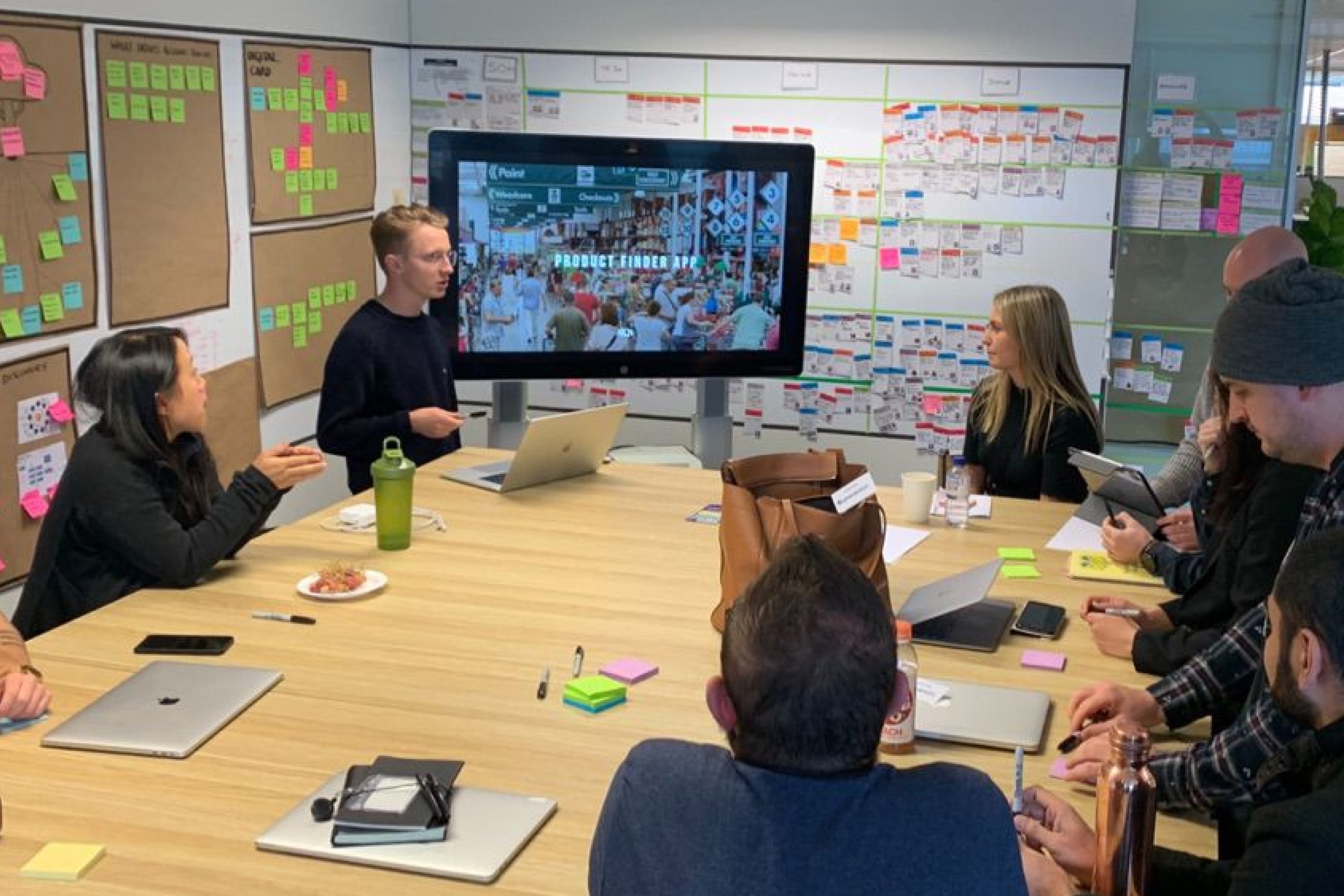
We used the opportunity to tackle the problem through this lens of an app. I led a cross-functional team and structured our exploration around design sprints. This let us stay close to the problem and move fast to develop a proof of concept.
Design sprint workshop with the core product team
The sprint sessions produced a wide range of directions. We narrowed the focus using a customer survey and effort-versus-impact mapping, pointing us toward the core MVP opportunity: clear product locations and store wayfinding.
Testing in the real environment
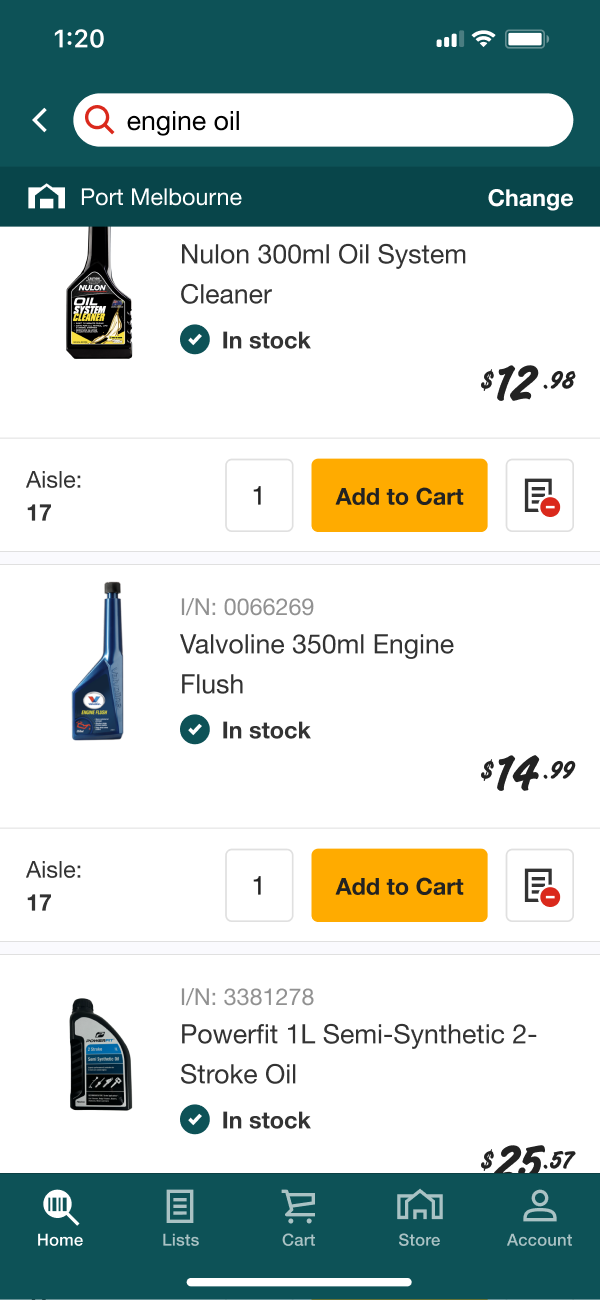
We moved forward with a lightweight proof of concept using real product and store data. This let us test with customers in Bunnings stores, which gave us invaluable insight into real world behaviours.
“This solves the biggest problem I have at Bunnings.”
A particularly good quote from user testing
Making cross-referencing easier
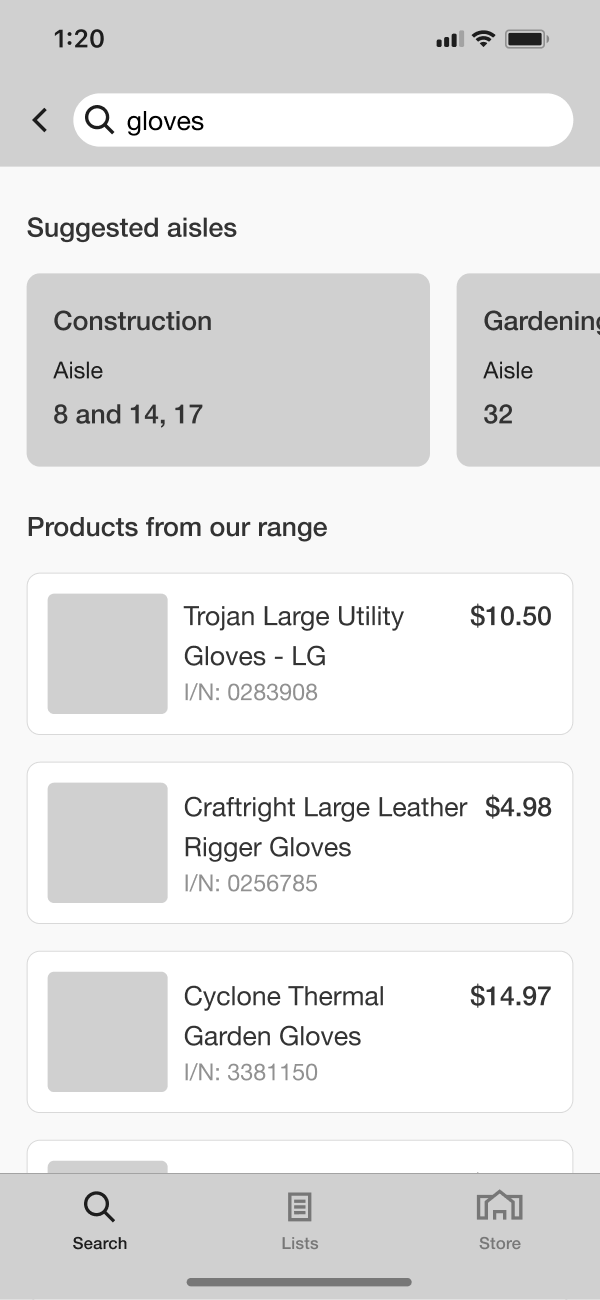
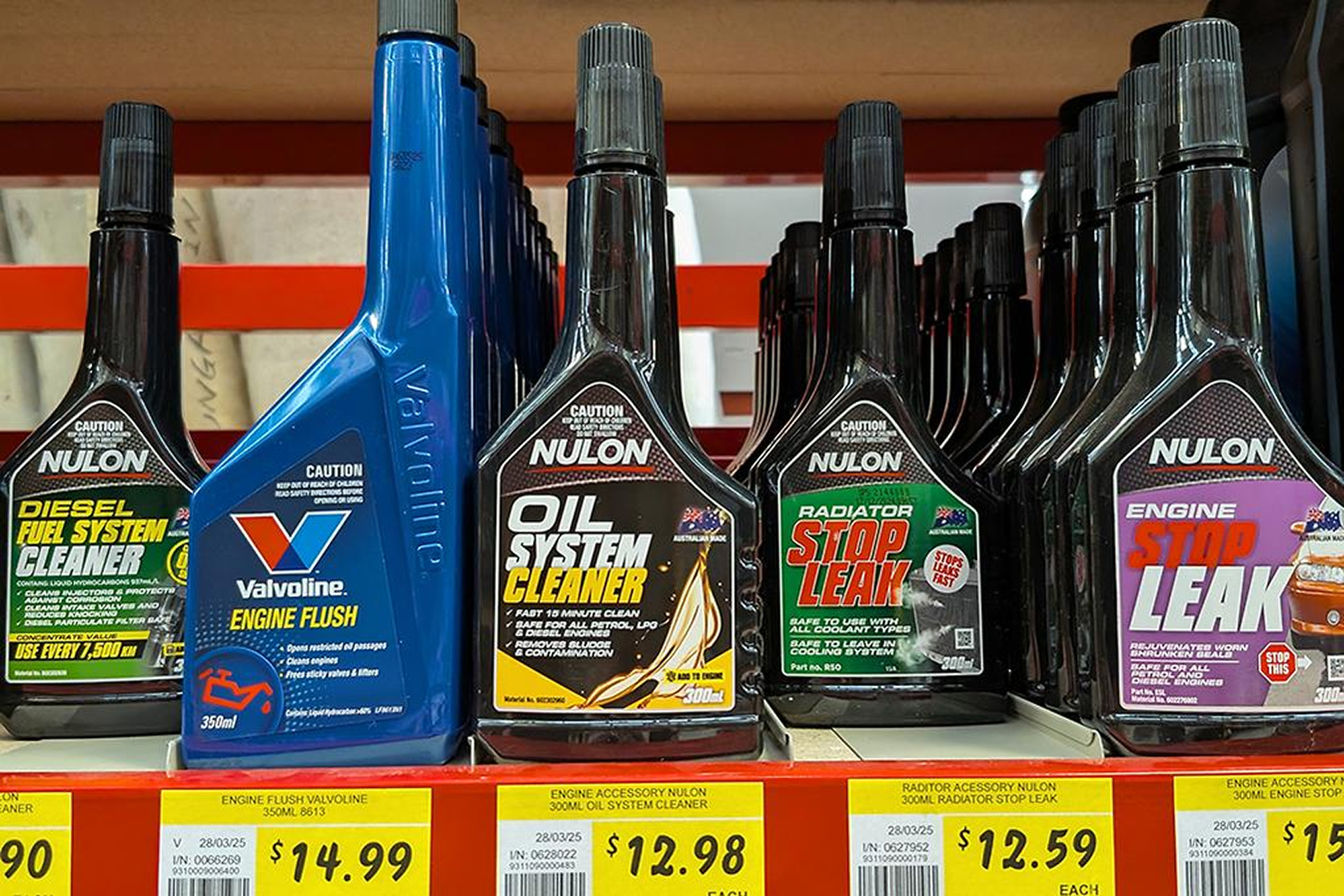
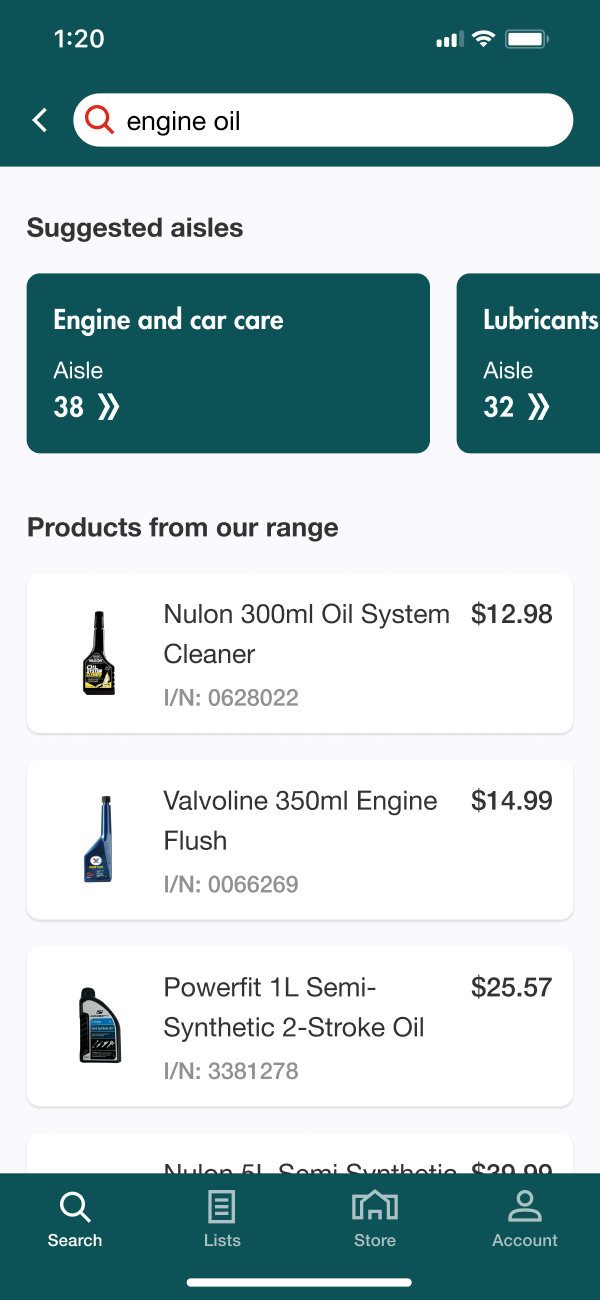
A consistent behaviour we observed was cross-referencing imagery and price between the app and the store shelves, rather than relying on product names. We increased the prominence of these elements to make that easier.
Testing at scale
To learn more, I set up a beta trial with 738 frequent Bunnings customers. A persistent feedback button let participants leave notes whenever they wanted. 77% used the app more than five times and NPS came in at +41.2.
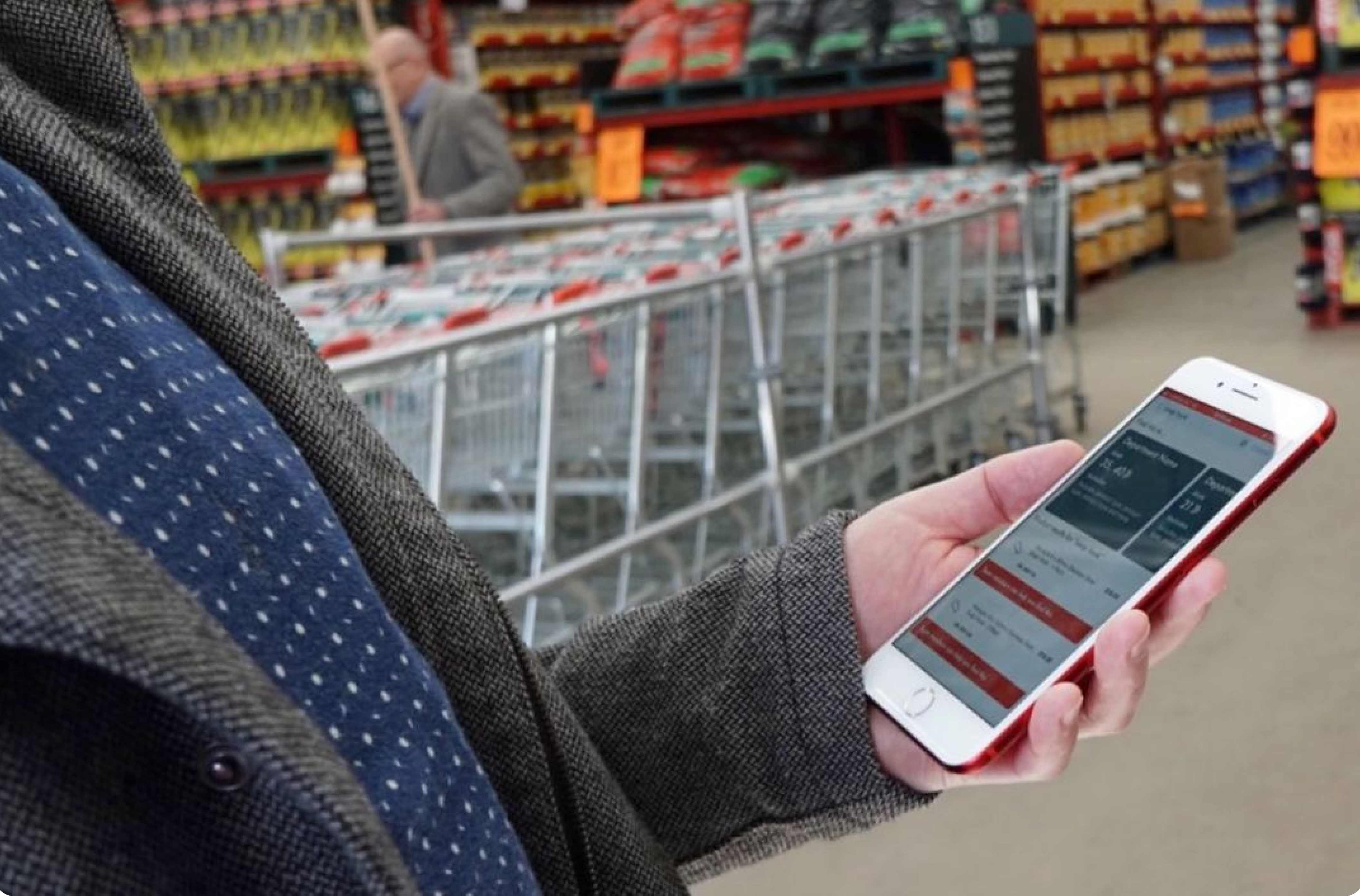
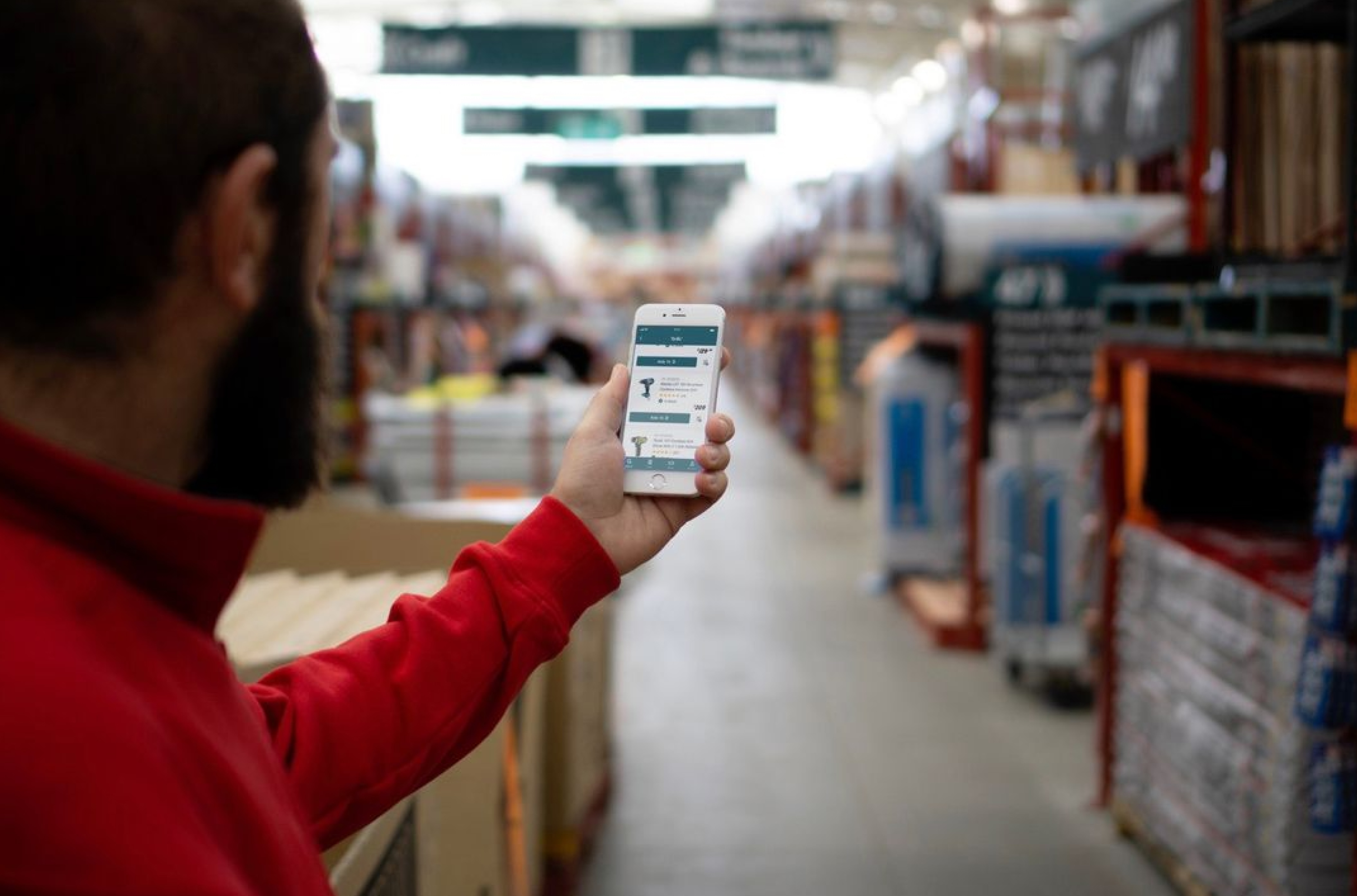
Testing a later version of the beta app in-store
Adding wayfinding
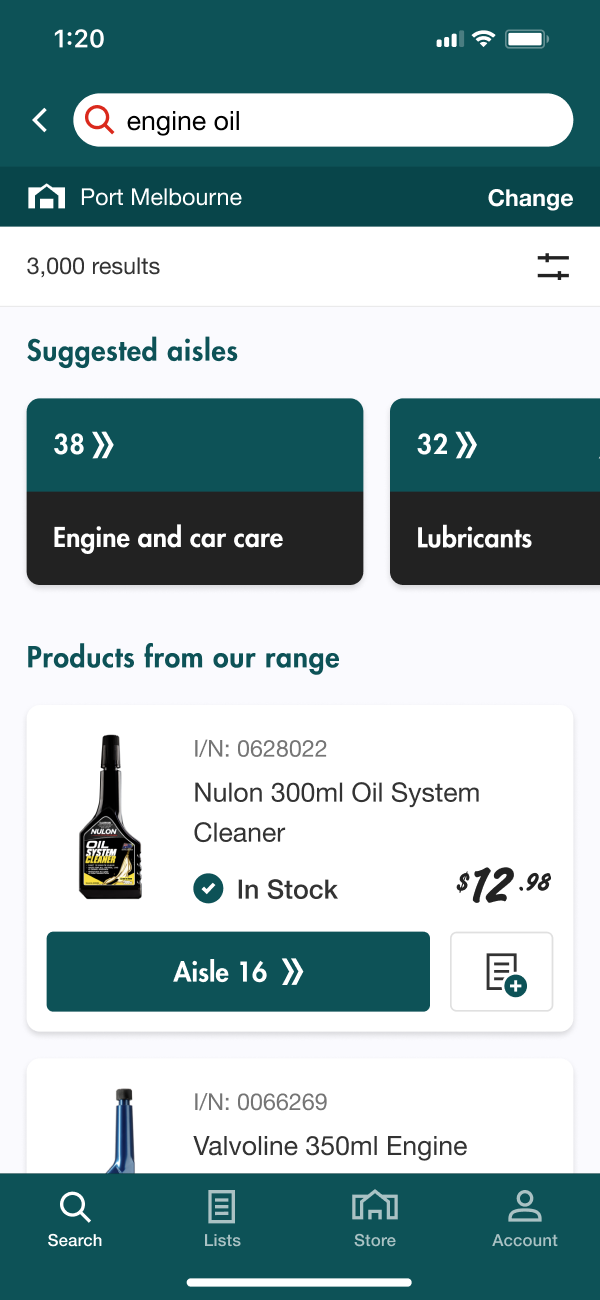
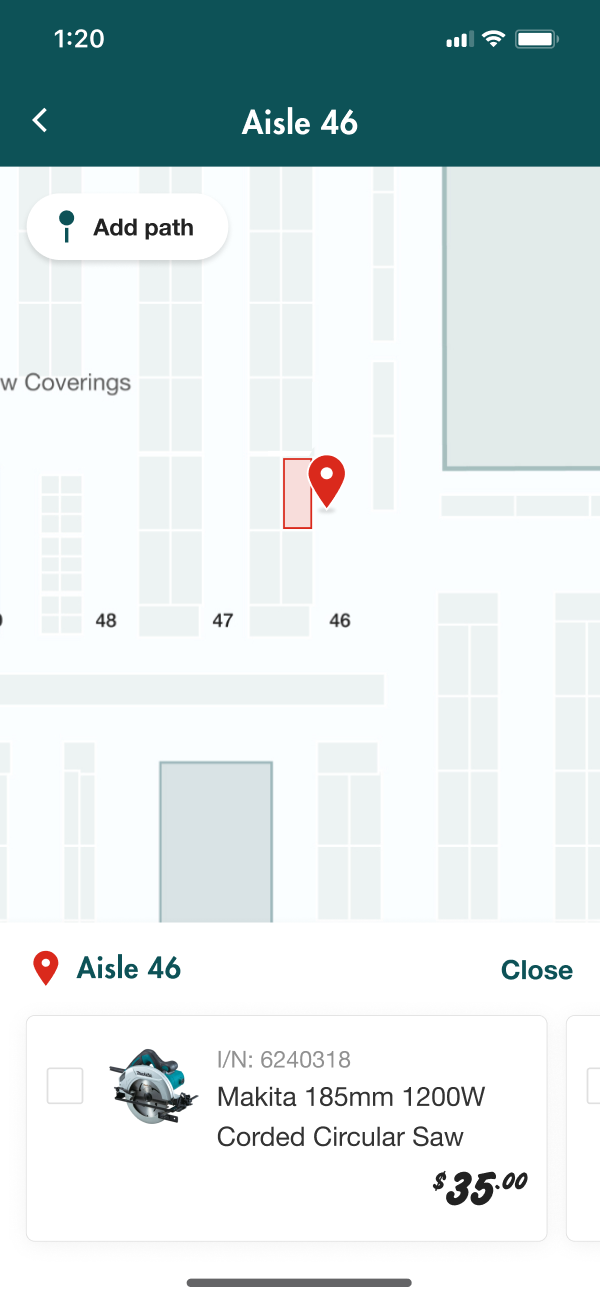
By happy accident, we discovered a treasure trove of CAD drawings for each Bunnings store. Vectorising them let us map each product to its specific location in the store, massively improving wayfinding.
An unexpected twist
Disappointingly, further development of the app was deprioritised when funding shifted toward an ecommerce web re-platform. Then COVID-19 arrived.
Bunnings needed a way to reduce contact time between customers and team members in-store and keep stores open as an essential service while competitors were forced to close.
The app was repositioned as a direct solution to this problem, and development was accelerated, 100,000+ active users in three months at a 4.8/5 rating.
Expanding the app
Integrating ecommerce
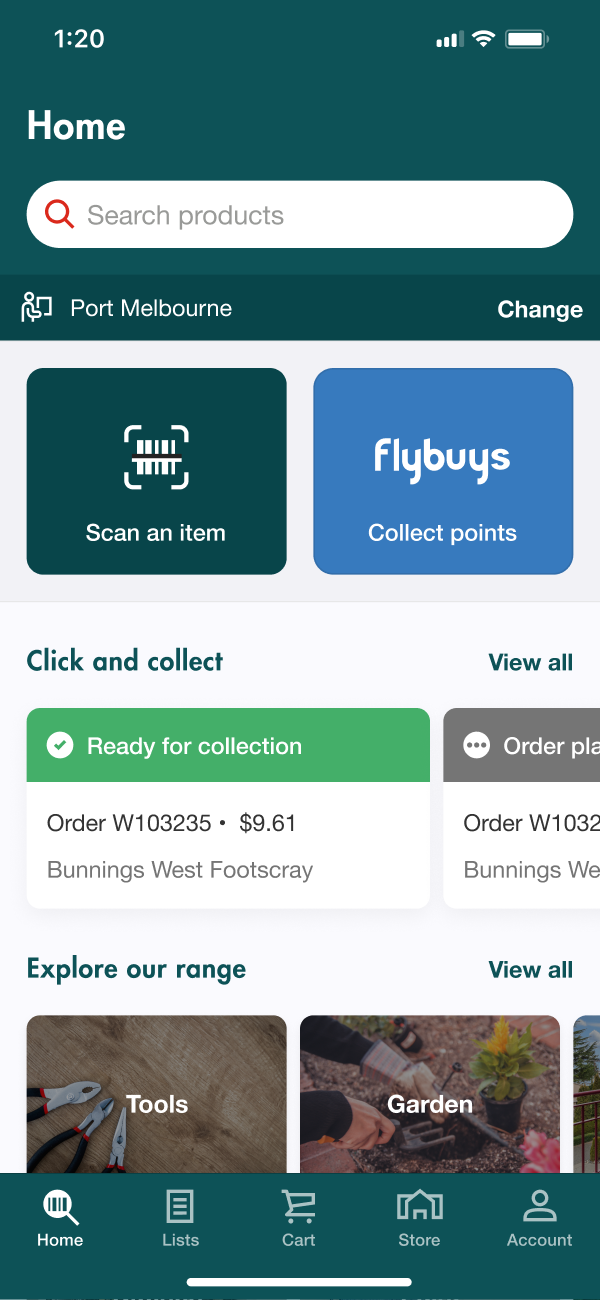
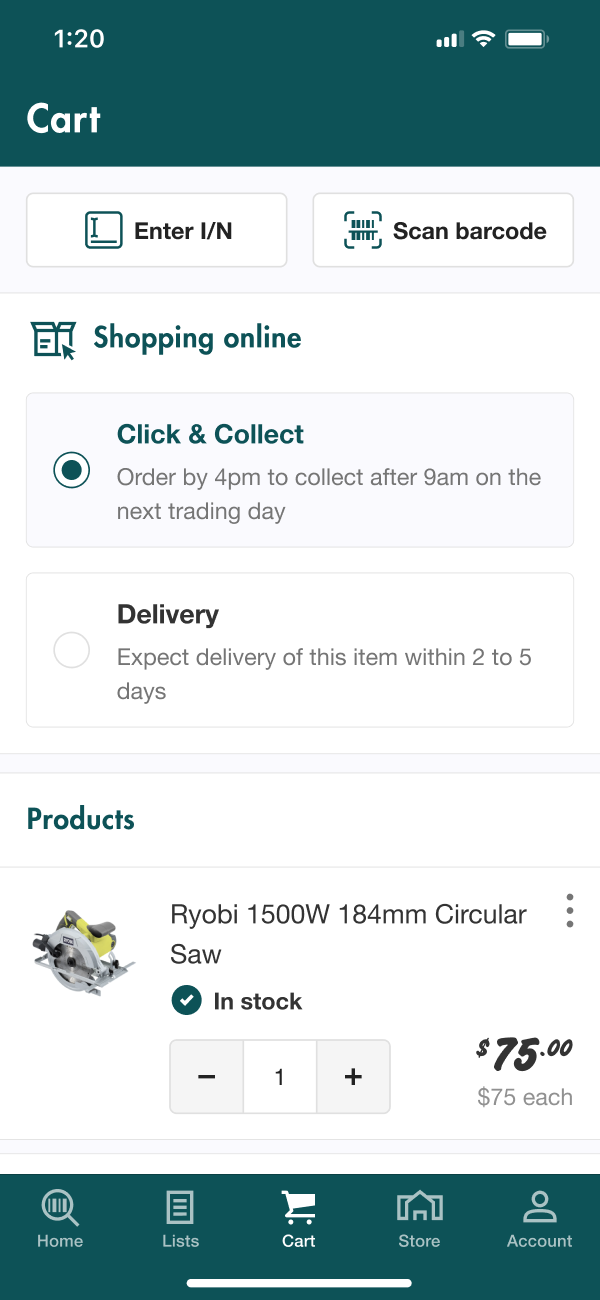
With the app performing well, Bunnings decided to scale it into a second ecommerce channel. The app became a huge revenue channel in its own right, while maintaining the customer scores we'd built the product on.
A new app experience for tradies
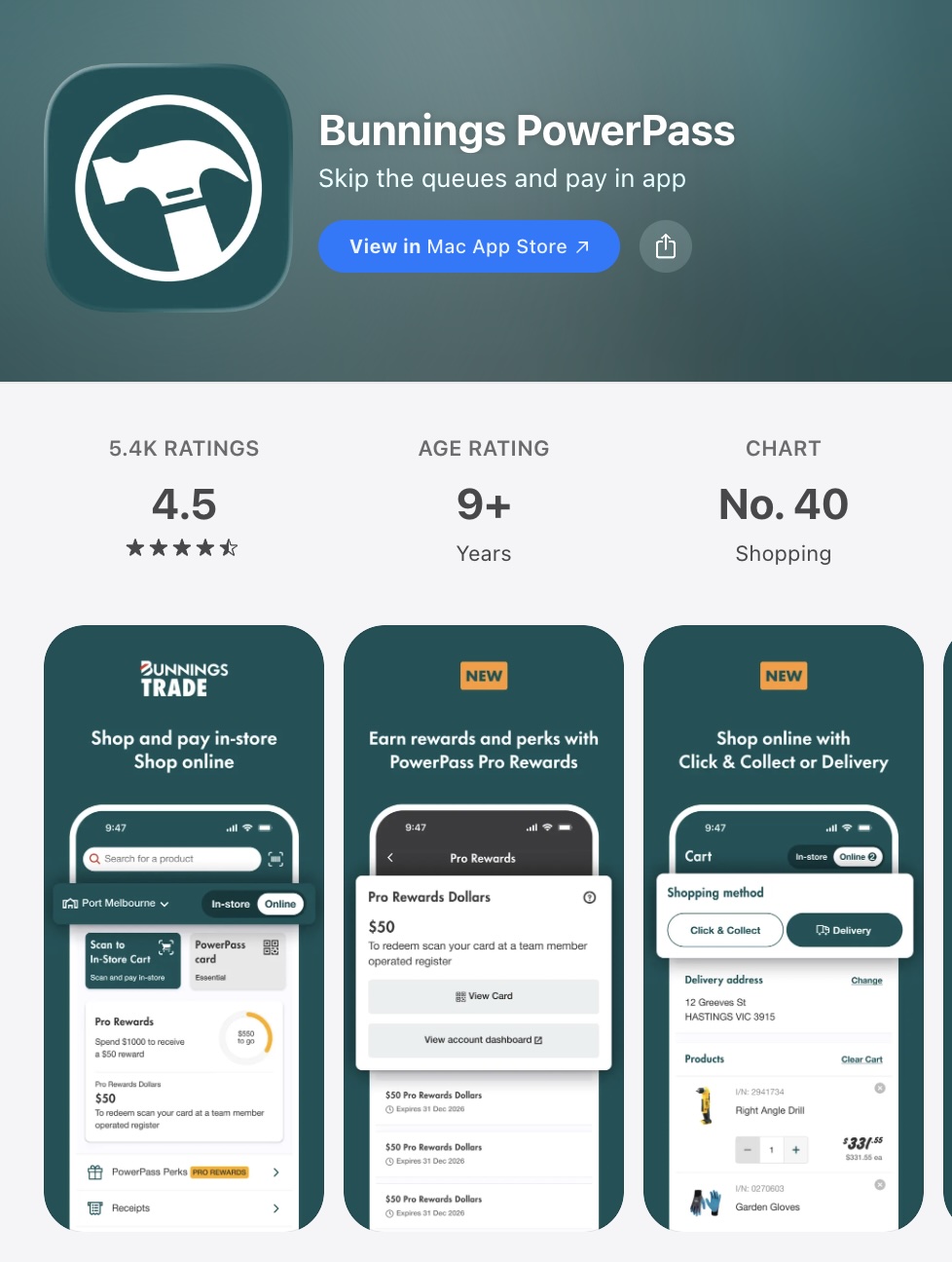
PowerPass, Bunnings' app for professional tradespeople, was now underperforming by comparison. Bunnings decided to rebuild it using the design system and technology we'd developed, resulting in a cohesive multi-app ecosystem.
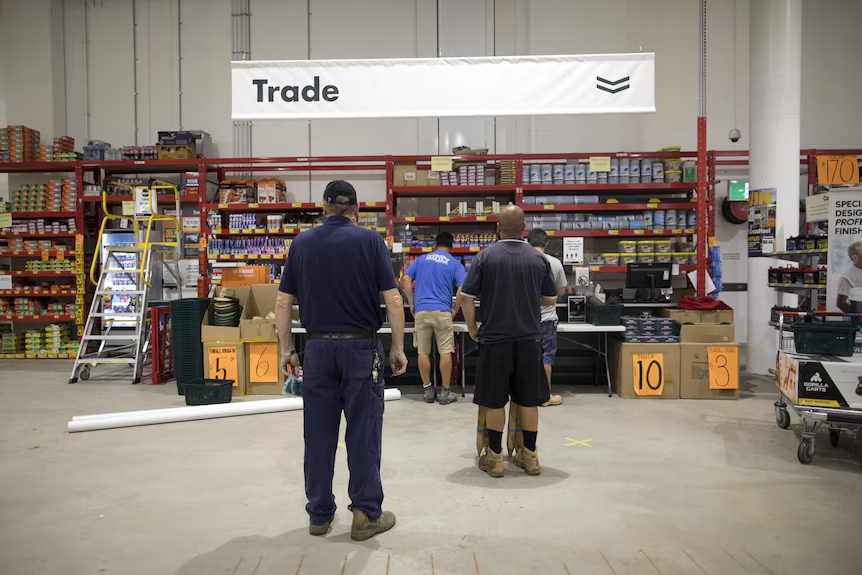
Professional tradies are a huge segment of Bunnings customers
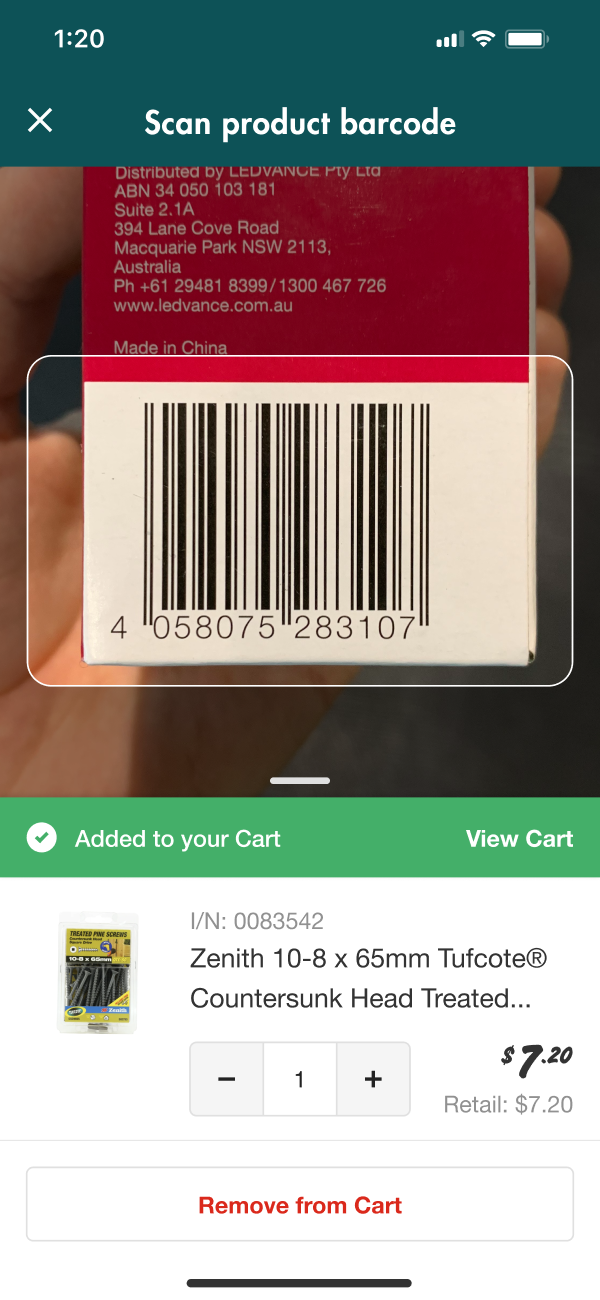
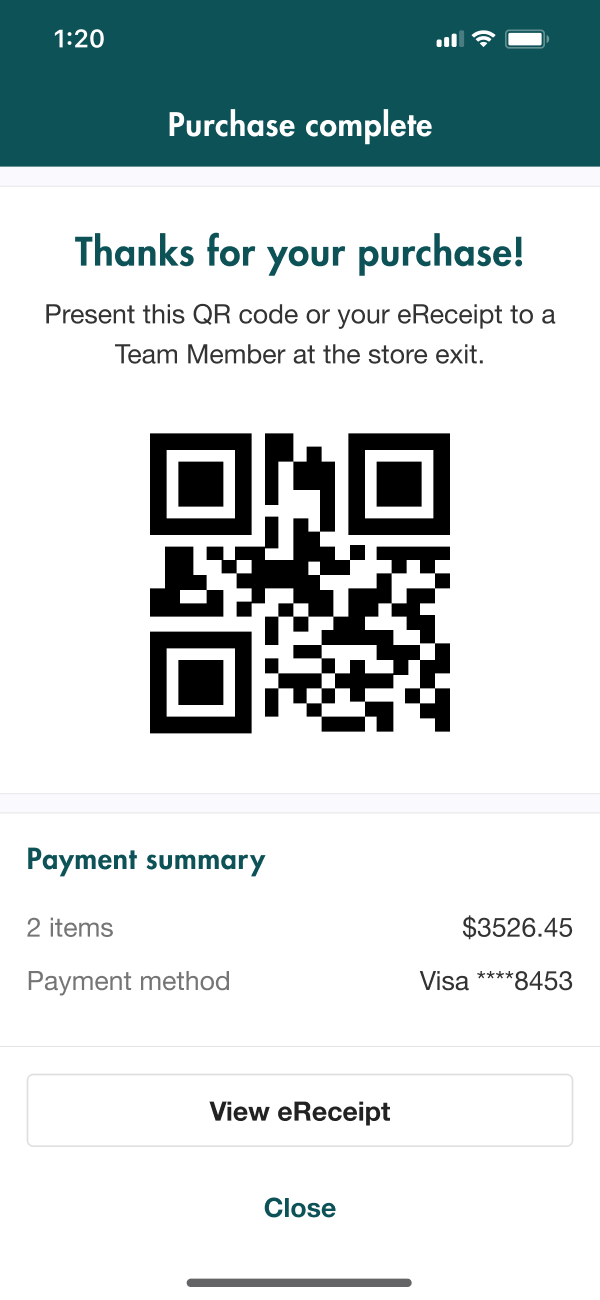
For tradies, time in store was painful, with multiple Bunnings trips each day and long checkout queues. I designed a scan-and-purchase flow that let them buy products in the app and generate a digital receipt to show on exit, skipping the queue entirely.
Impact
The Bunnings app now has over 1.5M downloads, and the PowerPass app has close to a million. Over $500M now moves through the two apps each year — all from a project that was shelved before it ever launched.
Learnings
Focusing on a simple problem
When Bunnings said that they wanted an app, it was challenging to think beyond a replica of their website. Pushing the early focus on customers' primary problem is what resulted in the early hype and momentum that we could then scale from.
The power of open feedback channels
We learned so much from the beta app's open feedback flow. For example, how customers were shopping from handwritten lists and zig-zagging across the store to find everything. We probably wouldn't have identified problems like this without giving customers a way to tell us.
A shelved product isn't a failed product
Product Finder sat in a drawer for months. That felt like a loss at the time. But when the moment came, we had something ready, validated and built on real data. Sometimes, focusing on doing work well means that the timing takes care of itself.